
How to Choose Drywall Screws and Concrete Nails
|
Learn about the differences between drywall screws and concrete nails — from types and uses to installation tips. |
|
|
|
When it comes to choosing the right fastener for your project, it’s important to understand the differences between drywall screws and concrete nails. While both are commonly used for a variety of projects, there are distinct differences between the two that can make a big difference in the quality and longevity of the finished product. PS:This video from Yongwei Metal, Others please use with caution! |
|
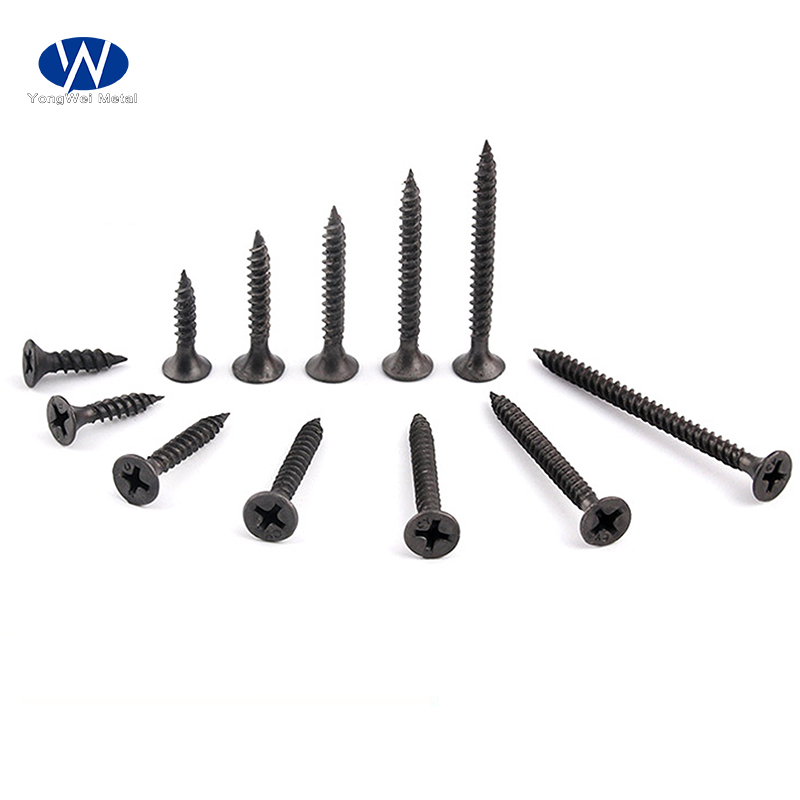
Drywall screws are designed to secure drywall sheets, or gypsum boards, to wood or metal studs. These screws come in a variety of lengths to accommodate different thicknesses of drywall. Drywall screws are often coated in a corrosion-resistant coating, such as zinc, to prevent rust in moist environments. They are also designed with a sharp point to penetrate the drywall and a bugle head to help pull the drywall tight against the wood or metal studs.
|
 |
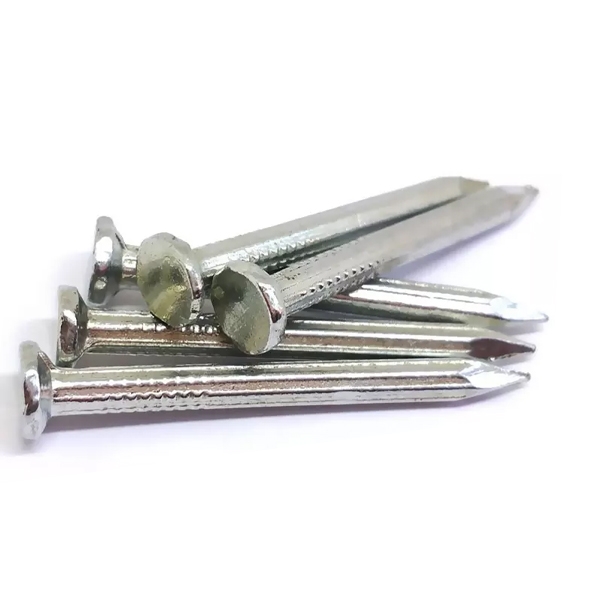 |
Concrete nails are designed to secure wood or metal materials to concrete or masonry walls. These nails come in a variety of lengths and diameters to accommodate different thicknesses of concrete. Concrete nails are made of hardened steel and are often coated in a corrosion-resistant coating, such as zinc, to prevent rust. They are also designed with a sharp point to penetrate the concrete and a flat head to help keep the material in place. |
|
Uses for Drywall Screws and Concrete Nails Drywall screws are typically used to attach drywall sheets to wood or metal studs. They are also commonly used for attaching plywood, trim, and other materials to wood or metal. Concrete nails are commonly used for attaching wood or metal materials to concrete or masonry walls. They are also used for attaching wood trim to concrete, masonry, or brick walls. In addition, concrete nails can also be used to attach tack strips to concrete or masonry walls, as well as for installing insulation board to concrete. Installation Tips When installing drywall screws, it’s important to make sure the screws are long enough to penetrate the entire thickness of the drywall. Too short of a screw can cause the drywall to become loose and start to sag. In addition, it’s important to use a drill bit that is slightly larger than the screw to create a pilot hole so the screw can be driven into the drywall without splitting it. When installing concrete nails, it’s important to make sure the nails are long enough to penetrate the entire thickness of the concrete. Too short of a nail can cause the material to become loose and start to sag. It’s also important to use a hammer drill to create a pilot hole in the concrete before driving the nail into it. To ensure the best results, it’s important to use the right type of fastener for the job. Drywall screws and concrete nails are both great tools for a variety of projects, but it’s important to understand the differences between the two to ensure the best results. By understanding the differences between drywall screws and concrete nails, you can ensure your projects are strong, secure, and long-lasting. |
|
The Versatility of Wire Mesh
Durable and Secure 3D Curved Fence from Yongwei Metal
