
Chicken netting farmlands
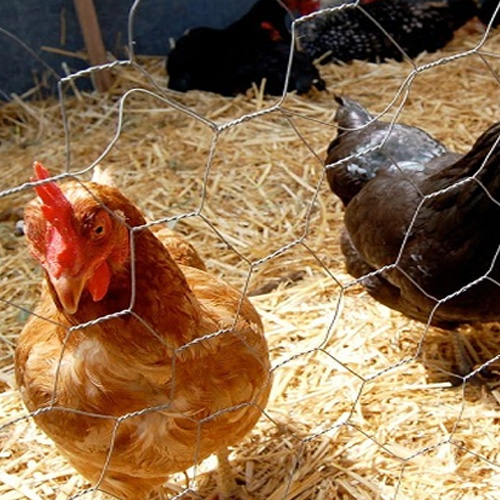
Chicken netting is a whole other ballgame, but it's basically a lightweight and flexible mesh that's used to enclose chickens or other poultry. It's typically made of thin metal wires or plastic, and it's often used to create chicken coops or runs to keep chickens safe from predators and prevent them from wandering off. It's kind of like a mini version of a chicken "prison" - but in a good way, of course! ?
Here are a few more details about chicken netting in farmland:
Chicken netting is often used to create "pastures" for free-range chickens, giving them plenty of space to roam and graze.
It can also be used to create temporary enclosures for chickens during predator control operations or to rotate them through different areas of the farm.
Chicken netting is usually attached to wooden posts or metal stakes to create a secure enclosure.
And because it's relatively lightweight and easy to install, it's often a go-to solution for small-scale farmers and homesteaders.
Chicken netting is often used to create "pastures" for free-range chickens, giving them plenty of space to roam and graze.
It can also be used to create temporary enclosures for chickens during predator control operations or to rotate them through different areas of the farm.
Chicken netting is usually attached to wooden posts or metal stakes to create a secure enclosure.
And because it's relatively lightweight and easy to install, it's often a go-to solution for small-scale farmers and homesteaders.
Let's talk durability and maintenance:
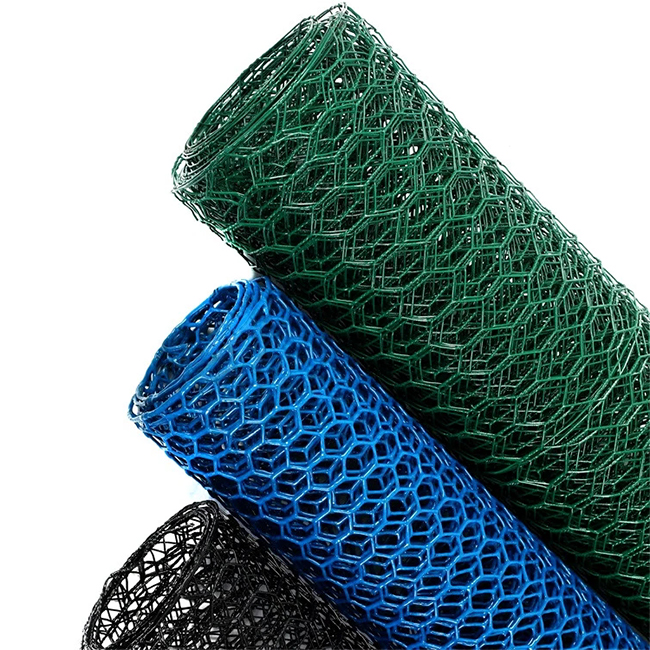
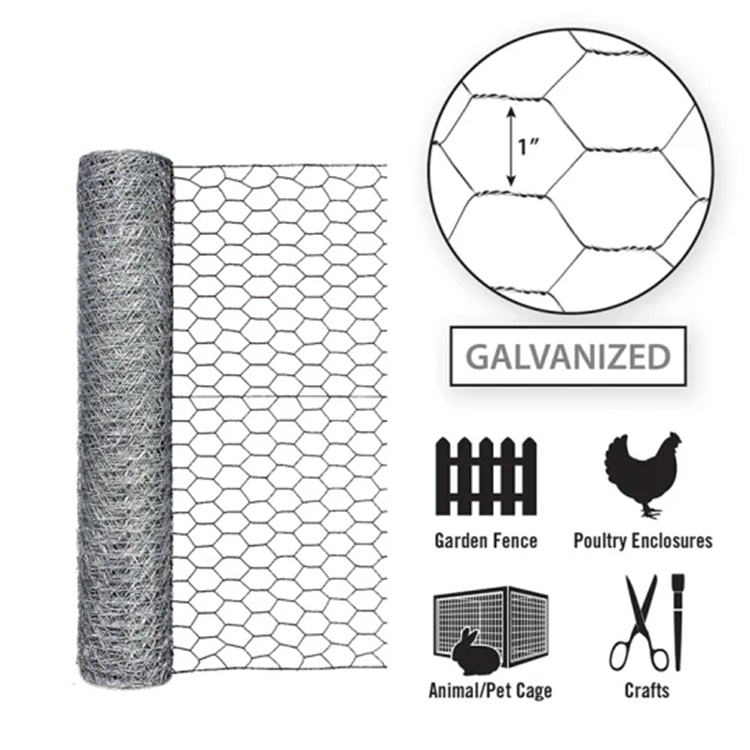
Chicken netting is typically made of galvanized steel or vinyl-coated steel, which means it can withstand exposure to the elements and the occasional pecking from curious chickens. ?
However, it's not invincible and can become damaged over time, especially if it's constantly exposed to the sun or weather.
Regular inspections and maintenance, like tightening loose wires or replacing damaged sections, are key to keeping the chicken netting in good condition.
Chicken netting is typically made of galvanized steel or vinyl-coated steel, which means it can withstand exposure to the elements and the occasional pecking from curious chickens. ?
However, it's not invincible and can become damaged over time, especially if it's constantly exposed to the sun or weather.
Regular inspections and maintenance, like tightening loose wires or replacing damaged sections, are key to keeping the chicken netting in good condition.
Let's discuss some common pitfalls and problems with chicken netting:
Sagging: Over time, chicken netting can sag or stretch, which can create gaps and weak spots that predators can exploit.
Burrowing: Chickens are notorious diggers, and they can quickly tunnel under a poorly installed chicken netting fence.
Clipping: Some chickens may try to perch on or fly over a chicken netting fence, and their claws can snag or damage the wire mesh.
Sagging: Over time, chicken netting can sag or stretch, which can create gaps and weak spots that predators can exploit.
Burrowing: Chickens are notorious diggers, and they can quickly tunnel under a poorly installed chicken netting fence.
Clipping: Some chickens may try to perch on or fly over a chicken netting fence, and their claws can snag or damage the wire mesh.
You want more?! Okay, here we go:
Wear and tear: Chicken netting can be damaged by vegetation growth, heavy winds, or collisions with equipment or farm animals.
Erosion: The soil underneath chicken netting can erode over time, especially if the area experiences heavy rainfall or flooding.
Visibility: Chicken netting can be difficult to see, especially in low-light conditions, which can be a safety hazard for both the chickens and the farmers.
Wear and tear: Chicken netting can be damaged by vegetation growth, heavy winds, or collisions with equipment or farm animals.
Erosion: The soil underneath chicken netting can erode over time, especially if the area experiences heavy rainfall or flooding.
Visibility: Chicken netting can be difficult to see, especially in low-light conditions, which can be a safety hazard for both the chickens and the farmers.
Marking: Properly marking the boundary of the fence before installation is essential to ensure it's placed correctly and to avoid disputes with neighbors.
Post installation: Posts need to be installed firmly in the ground and spaced appropriately to provide adequate support for the netting.
Tensioning: The netting must be properly tensioned to ensure it's taut and secure.
Post installation: Posts need to be installed firmly in the ground and spaced appropriately to provide adequate support for the netting.
Tensioning: The netting must be properly tensioned to ensure it's taut and secure.
Maintenance: Chicken netting requires regular maintenance, including trimming vegetation, repairing damaged sections, and checking for holes or gaps. Neglecting these tasks can result in an ineffective or even dangerous fence.
Clipping: The ends of the wire mesh should be properly clipped or fastened to prevent the netting from unraveling or sagging over time.
Boom! That's it, the last nugget of knowledge! ?
Boom! That's it, the last nugget of knowledge! ?
Release time: 2023-08-07
The use of wire mesh
6 gauge chain link fence
Related blog