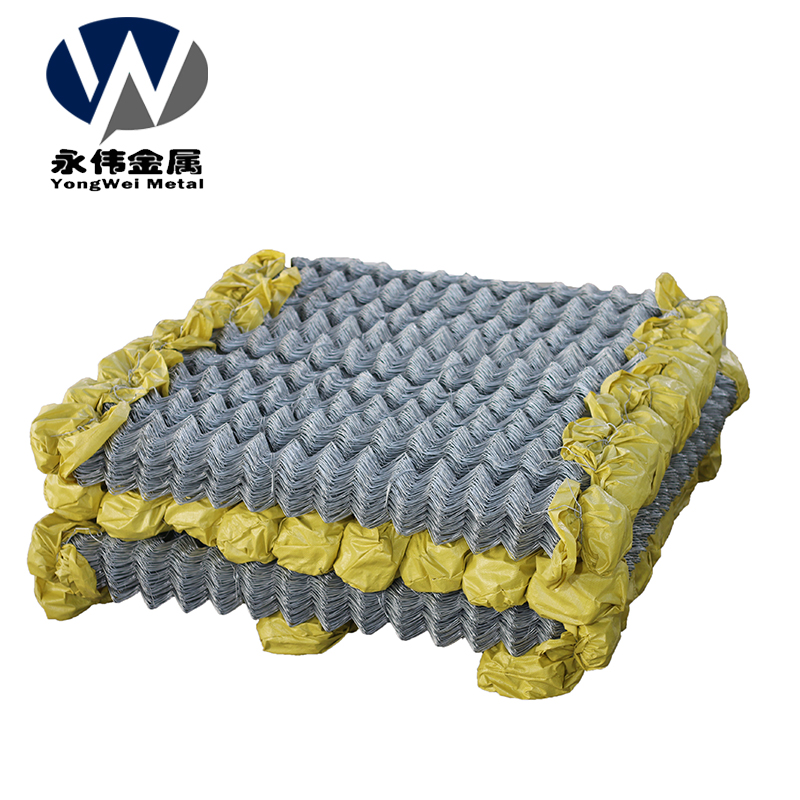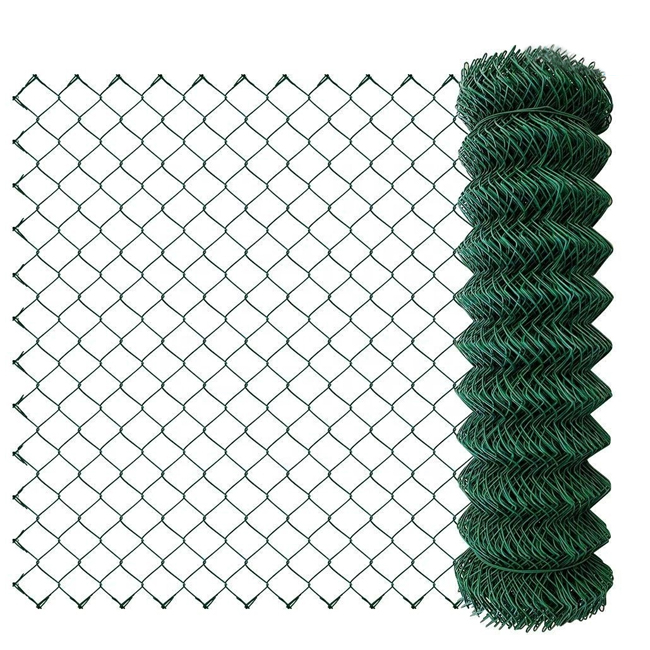
Chain link mesh

Chain Link Mesh
Ahh, chain link mesh. That's a classic! You're likely familiar with chain link fences - the metal mesh with diamond-shaped openings. Chain link mesh is made from galvanized steel wire that's bent into a diamond pattern and then interlocked together. This creates a strong, durable mesh that's often used in security fencing, animal enclosures, and other applications. It's relatively inexpensive and low maintenance, making it a popular choice for a wide range of applications.
Ahh, chain link mesh. That's a classic! You're likely familiar with chain link fences - the metal mesh with diamond-shaped openings. Chain link mesh is made from galvanized steel wire that's bent into a diamond pattern and then interlocked together. This creates a strong, durable mesh that's often used in security fencing, animal enclosures, and other applications. It's relatively inexpensive and low maintenance, making it a popular choice for a wide range of applications.
There are a few main specifications to be aware of when it comes to chain link mesh:
Mesh size: This refers to the size of the diamond-shaped openings in the mesh, measured from center to center. The most common mesh sizes are 2", 2-1/2", and 3".
Wire gauge: This refers to the thickness of the wire used in the mesh. Common wire gauges for chain link mesh are 11, 9, and 6. The lower the gauge, the thicker the wire.
Mesh size: This refers to the size of the diamond-shaped openings in the mesh, measured from center to center. The most common mesh sizes are 2", 2-1/2", and 3".
Wire gauge: This refers to the thickness of the wire used in the mesh. Common wire gauges for chain link mesh are 11, 9, and 6. The lower the gauge, the thicker the wire.
When it comes to chain link mesh, there are three main types of coatings: galvanized, PVC-coated, and vinyl-coated. Galvanized coatings are the most basic and least expensive. They're made by dipping the mesh in molten zinc, which creates a protective layer. PVC-coated and vinyl-coated mesh are similar, but they're dipped in a liquid plastic coating instead of zinc. Both types of plastic coatings come in a variety of colors and are more resistant to rust and corrosion than galvanized mesh.
Tensile strength refers to the amount of force a material can withstand before it breaks. In chain link mesh, tensile strength is measured by pounds per square inch (PSI). The higher the PSI, the stronger the mesh. For residential applications, a chain link mesh with a PSI of 200 or more is typically recommended. For commercial applications, a PSI of at least 270 is recommended. There are also high-security chain link meshes that have a PSI of up to 700 or more. They're used in places like prisons and military facilities.
It's commonly used for fencing around homes, businesses, parks, and schools. It's also used to secure construction sites, sports fields, and storage facilities. It can even be used as a trellis for climbing plants. In addition to security purposes, chain link mesh is sometimes used for decorative purposes. You might see it around a garden or a pool area. It can add a bit of style and interest to an otherwise plain area.
Chain link mesh is also used in agriculture. Farmers use it to build animal pens, aviaries, and crop cages. It's also used in zoos to build animal enclosures. And, you might be surprised to learn that chain link mesh is sometimes used in marine environments. It's used to create protective barriers around docks and harbors. It can also be used to build protective cages around fish farms. Lastly, chain link mesh is sometimes used in mining operations.
That was a deep dive into chain link mesh. So, to sum it all up, chain link mesh is a versatile material that's used in a wide range of applications. It can be used for security, decoration, and protection. It comes in a variety of different types, sizes, and strengths. It's relatively inexpensive and easy to install. And it has a long lifespan, so it can be a great investment for any property.
5ft black chain link fence
The use of wire mesh